

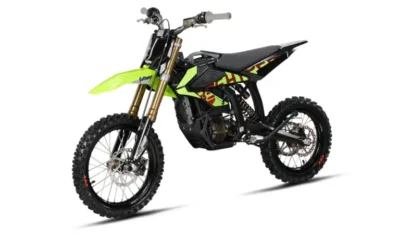
Off-road riding can mean different things to different people. Some riders enjoy relaxed trips along open dirt paths, while others prefer steep climbs, rocky sections, tight turns, and technical obstacles. As riding habits develop, the setup of an Electric dirt bike may need to suit the type of terrain and riding style involved. Choosing suitable equipment is therefore less about finding one perfect configuration and more about creating a setup that works for the conditions you actually encounter.
A practical approach begins with understanding how the motorcycle behaves on the trail. Suspension, tires, controls, protective equipment, and riding position can all influence comfort and control. Riders who gradually move from casual trails to more challenging terrain should consider how each part of the setup supports that progression.
Start With Your Typical Riding Environment
The first step is to consider where most rides take place. Casual trail riding on relatively smooth dirt paths does not demand the same setup as rocky or technical terrain.
On maintained trails, riders may prioritize predictable handling and comfort over maximum traction. When the terrain becomes rougher, suspension performance, tire grip, and ground clearance become increasingly important.
It is useful to think about the conditions you encounter most often rather than building a setup around an occasional type of terrain. A balanced configuration can be more practical for riders who regularly move between different trail surfaces.
Suspension Becomes More Important on Technical Terrain
Suspension has a major influence on how a motorcycle handles uneven ground. On smoother recreational trails, riders may not notice small differences in suspension behavior. Technical terrain, however, can expose weaknesses much more quickly.
Rocks, roots, ruts, and repeated impacts require suspension components to absorb energy while keeping the motorcycle controlled. Riders moving into more demanding terrain should pay attention to whether the suspension feels excessively harsh, bottoms out frequently, or becomes unstable after repeated impacts.
Suspension adjustments should also be made carefully. Changes to preload, compression, or rebound can affect handling, so riders should understand the purpose of each adjustment rather than changing multiple settings at once.
Tires Should Match the Trail
Tires are another important part of the setup. A tire that works well on firm dirt may behave differently on loose soil, mud, or rocky surfaces.
Casual riders who encounter mixed terrain may benefit from versatile off-road tires that provide a reasonable balance between grip and predictable handling. Riders tackling more technical sections may place greater emphasis on traction and sidewall durability.
Tire condition matters just as much as tire selection. Worn knobs, cuts, cracks, and damaged sidewalls can reduce confidence regardless of how suitable the original tire design was.
Consider Your Riding Position
The rider is part of the motorcycle’s overall setup. Body position affects balance, steering, traction, and the ability to respond to obstacles.
On technical climbs, riders may need to shift their weight to maintain traction and keep the motorcycle stable. When descending, controlled body positioning can help prevent excessive weight from moving toward the front.
A comfortable standing position can also make it easier to absorb smaller bumps with the legs rather than allowing every movement to travel directly through the motorcycle.
Controls and Ergonomics Matter
As riders progress, they may begin paying closer attention to handlebar position, footpeg placement, lever adjustment, and throttle response. Controls that are easy to reach and operate can reduce unnecessary movement while riding.
Levers should be positioned so that the rider can operate them comfortably without changing grip excessively. Handlebars should also support a natural riding position rather than forcing the rider’s wrists into an awkward angle.
Small ergonomic changes can make longer rides more comfortable and help riders maintain better control when the terrain becomes demanding.
How Surron Fits Into Different Riding Styles
Riders exploring Surron motorcycles may encounter configurations suited to different approaches to electric off-road riding. The important consideration is not simply the model name but how the motorcycle’s components match the rider’s intended use.
Someone spending most weekends on moderate trails may have different priorities from a rider regularly seeking technical obstacles. Understanding those differences can help prevent unnecessary modifications and keep the setup focused on practical requirements.
Upgrade Gradually as Your Skills Develop
There is no need to change everything at once when progressing as a rider. It can be more useful to identify the component that is limiting performance and address that issue first.
For example, a rider struggling with traction may benefit from examining tire choice and pressure before making major changes elsewhere. Someone experiencing harsh impacts may need to investigate suspension settings or servicing.
Gradual improvements also allow riders to understand how each modification changes the motorcycle’s behavior.
Conclusion
An effective electric off-road setup should reflect the rider’s terrain, experience, and goals. Casual trail riding may call for a simple and versatile configuration, while technical riding places greater demands on suspension, tires, ergonomics, and rider control.
Rather than chasing the most advanced equipment available, riders can focus on making sensible improvements as their skills develop. A well-matched setup can make challenging terrain more manageable while keeping everyday recreational rides comfortable and enjoyable.